Wandsworth gardeners Putney High Street front garden makeovers: a practical guide to better kerb appeal
If you live near Putney High Street, you already know the front garden has a job to do before anyone even rings the bell. It sets the tone. It frames the house. And, to be fair, it can either quietly lift the whole property or make the entrance feel a bit tired and overlooked. That is exactly why Wandsworth gardeners Putney High Street front garden makeovers are so valuable: they turn an everyday frontage into something welcoming, tidy, and genuinely useful.
This guide breaks down what a front garden makeover involves, how local gardeners approach it, what to avoid, and how to plan changes that suit a busy London street. Whether you want a small refresh or a full redesign, you will find practical advice here - not fluff, not vague inspiration, but the sort of detail that helps you make good decisions.
And yes, if your current front garden is mainly "a bit of gravel, two sad shrubs, and one determined weed," you are in the right place.
Table of Contents
- Why Wandsworth gardeners Putney High Street front garden makeovers matters
- How the front garden makeover process works
- Key benefits and practical advantages
- Who this is for and when it makes sense
- Step-by-step guidance
- Expert tips for better results
- Common mistakes to avoid
- Tools, resources and recommendations
- Law, compliance, standards, and best practice
- Options, methods, and comparison table
- Case study or real-world example
- Practical checklist
- Conclusion
- Frequently asked questions
Why Wandsworth gardeners Putney High Street front garden makeovers Matters
Front gardens in this part of London carry more pressure than people sometimes realise. Along Putney High Street and nearby residential roads, space is often limited, sightlines matter, and the front of the house needs to work hard in all seasons. A good makeover is not just about prettiness. It is about making the entrance safer, cleaner, easier to maintain, and better suited to how you actually live.
In practical terms, a front garden makeover can address worn paving, poor drainage, awkward steps, overgrown planting, low-light conditions, broken edging, patchy lawns, and the general "doesn't quite work" feeling that many frontages develop over time. It can also create a calmer transition from street to home. That sounds small, but small things stack up. A neat entrance makes the whole place feel more cared for.
There is also the local context. Wandsworth homes vary a lot - Victorian terraces, converted flats, Edwardian houses, newer developments, and compact urban plots with limited width. A one-size-fits-all garden plan rarely works. Good local gardeners understand how to make a design look deliberate even when the space is awkward. A narrow frontage can be handled beautifully with layered planting and smart materials. A deeper plot might benefit from a cleaner path line and evergreen structure. Different challenge, different answer.
For many homeowners, the real value is simple: they want the garden to stop being a chore. If you have ever looked at the front border on a damp Tuesday morning and thought, "I'll deal with that later," you already know the problem. Later eventually becomes bigger later.
Expert summary: A successful front garden makeover in Putney is usually less about dramatic transformation and more about combining curb appeal, practical access, low-maintenance planting, and good hard landscaping in a way that suits the street and the house.
If you are exploring wider help with outdoor spaces, it can be worth looking at related services such as garden design or landscaping, especially if the front garden links to a driveway, side access, or rear garden route. That joined-up thinking often saves time later.
How Wandsworth gardeners Putney High Street front garden makeovers Works
A front garden makeover usually starts with a site review. The gardener looks at the available space, sun and shade, drainage, soil condition, access, existing features, and the overall style of the property. They may also ask how you use the space. Do you need bin storage hidden? A place for bikes? A dry route from gate to door? Somewhere that still looks good in winter? These details matter more than people expect.
From there, the work often falls into a few stages:
- Assessment and brief - understanding what is there now, what is not working, and what you want the space to do.
- Clearance and preparation - removing old plants, weeds, tired turf, broken edging, or redundant materials.
- Design decisions - choosing planting styles, paths, borders, hard surfaces, and any structure such as low walls, planters, or screening.
- Installation - laying surfaces, improving soil, planting shrubs or perennials, and fitting details that tidy the whole composition.
- Aftercare plan - watering, feeding, pruning, and keeping everything established properly during the first season.
The best garden makeovers are rarely rushed. A front garden can look "finished" on day one and still be unfinished in the real world if the planting is not right. For example, a boxy evergreen hedge might look sharp in April, but if the soil is poor and the light is low, it can struggle by late summer. A good gardener will think beyond the first photo.
In many cases, a front garden makeover is not a complete rebuild. It is a clever reset. Some existing shrubs stay. A path gets widened. The border is simplified. The old mulch gets replaced. The effect can be surprisingly big without needing to rip everything out. That is often the sweet spot.
Key Benefits and Practical Advantages
A well-planned front garden makeover brings more than visual appeal. In a busy area like Putney, the practical benefits often matter just as much as the style.
- Stronger kerb appeal: The house looks cared for, which creates a better first impression for visitors, neighbours, and potential buyers.
- Lower maintenance: Thoughtful planting and better materials can reduce the amount of weekly upkeep needed.
- Improved access: A clearer path, better lighting, and well-shaped borders make daily use easier.
- Better seasonal interest: Evergreen structure, winter stems, spring bulbs, and summer colour keep the space looking alive throughout the year.
- More usable space: Even a tiny frontage can feel more functional with smart layout choices.
- Better drainage and resilience: Replacing failing surfaces or compacted soil can help manage water more effectively.
There is also a quieter benefit that people often mention only after the work is done: the garden feels more like part of the home. The transition from street to front door becomes calmer. Less clutter. Less visual noise. The whole approach to the house changes a little.
If the front garden is part of a broader property improvement plan, you may also find it useful to review a planting and maintenance service or a regular garden maintenance visit. That can help keep the makeover looking good after the initial work is complete.
Who This Is For and When It Makes Sense
Front garden makeovers make sense for a wide range of homeowners and property managers, but they are especially useful if any of the following sound familiar:
- Your front garden looks tired, patchy, or overly busy.
- You have a small urban space that never quite feels finished.
- The entrance is awkward to navigate in wet weather.
- You want more privacy without making the frontage feel closed in.
- You are preparing the property for sale or rental.
- The garden is manageable in theory, but in practice it keeps falling behind.
It also makes sense if you have recently moved in and want to put your own stamp on the property. Truth be told, many new owners live with a front garden for a while before they realise it is not working. That is normal. You notice the tired hedge in winter light, or the path that always feels narrow, or the border that turns into a jungle by June. Then the desire to fix it becomes pretty strong.
For landlords or managing agents, front garden improvements can help keep a property looking occupied and cared for. That can matter on streets where presentation counts. For families, the priorities may be different: safer steps, fewer prickly plants, room for bins, or simply a route that is easier with prams and shopping bags. The "right" makeover depends on how the garden is actually used.
If you are unsure whether to begin with a tidy-up or a bigger redesign, a service such as garden clearance can be a sensible first step. Sometimes removing the clutter shows you what the space really wants to be. Funny how that works.
Step-by-Step Guidance
Here is a clear way to approach a front garden makeover without getting lost in options.
1. Start with the honest view
Stand across the road and look at the front garden as a passer-by would. What do you notice first? Is it the path, the hedge, the rubbish storage, the lack of structure, the weeds, or the imbalance between hard and soft surfaces? This simple exercise helps separate emotional clutter from practical priorities.
2. Decide what the garden must do
Every front garden should have a job description. Maybe it needs to be neat and low-maintenance. Maybe it should soften a large facade. Maybe it should provide privacy while still feeling open enough for natural light. Pick the main job first. Everything else should support that.
3. Keep the structure simple
In compact London front gardens, too many competing features can make the space feel smaller. A strong path line, a clear entrance, and one or two plant masses often work better than lots of little bits and pieces. Simplicity is not boring. Done well, it is elegant.
4. Choose planting for reliability as much as beauty
Plants in front gardens need to survive urban conditions: fluctuating moisture, reflected heat, shade from buildings, and occasional neglect. Evergreen shrubs, tough perennials, and seasonal bulbs often perform well. Mix textures and heights, and avoid overfilling the space. Plants need room to breathe - they really do.
5. Use materials that suit the property
Stone paving, brick edging, gravel, timber, and metal details all create different moods. The best choice usually reflects the age and style of the house. For example, traditional brick paving can suit period homes, while clean mineral surfaces may work better for newer facades. The key is coherence.
6. Plan for maintenance from day one
A front garden that looks lovely but is hard to maintain will quietly fail. Decide who will water new planting, how often pruning will be needed, and whether the layout allows easy access for routine care. If you want a low-effort garden, say so upfront. That is not lazy; that is realistic.
7. Finish with detail
Small things matter: a neat edge, hidden waste storage, a tidy transition to the front door, or low-level lighting that makes the space feel safe in the evening. These are the details people remember, even if they cannot quite say why.
For ongoing upkeep after the makeover, a regular hedge trimming or weed control visit can make a huge difference. The first is about shape; the second is about not letting the whole thing slip back into "I'll sort it next weekend" territory.
Expert Tips for Better Results
There are a few things experienced gardeners tend to do that make a front garden makeover look more polished and last longer.
- Work with the sightline. The view from the pavement to the front door is usually more important than the view from the window.
- Use repetition carefully. Repeating a plant or material creates calm, but too much repetition can feel stiff. Balance is the trick.
- Leave breathing room. Overplanting is a classic mistake. Young plants need space, and the garden needs structure even before everything fills out.
- Choose at least one evergreen anchor. That gives the space form in winter, when many gardens look their worst.
- Think about mud and weather. London rain, damp shoes, and daily footfall all shape how the garden behaves. It is not glamorous, but it matters.
- Make hidden functions look deliberate. If you need bins, bikes, or storage, integrate them neatly rather than pretending they are not there.
One small but valuable tip: avoid designing only for summer. A front garden that looks amazing in July but bleak in January has only done half the job. Layered structure, bark mulch, architectural grasses, winter shrubs, and smart paving can keep the frontage looking intentional year-round.
And if you are planning a larger refresh, it helps to think about the whole property rather than the front boundary alone. A front garden makeover often pairs well with broader soft landscaping work, especially when you want a warmer, more natural feel without losing practicality.
Common Mistakes to Avoid
Most disappointing front garden projects do not fail because the homeowner had bad taste. They fail because the plan ignored a few basic realities.
- Choosing plants that outgrow the space. A plant that is fine in a large suburban garden may overwhelm a narrow frontage very quickly.
- Ignoring drainage. Surface water pooling near the house is not a cosmetic issue; it can become a real nuisance.
- Trying to do too much. A long list of features can make the entrance look cluttered and oddly unfinished.
- Forgetting maintenance access. If you cannot get around the planting to prune it, you will eventually stop pruning it.
- Using mismatched materials. Too many paving types or edging styles can make the frontage feel disjointed.
- Neglecting the boundary line. A lovely front garden can still look untidy if the edge to the pavement is scruffy.
There is also a subtle mistake that crops up often: designing for the rare perfect day instead of typical London life. People imagine the garden in full bloom and forget the wet bin day, the dark winter evening, or the fact that the postman, delivery driver, and three family members all need to get in and out without a dance routine. A bit of realism saves headaches later.
Another one? Buying a lot of random plants because they looked nice in a nursery at 4 p.m. This has happened to more people than would ever admit it. The trolley gets full. Then the garden becomes a guess.
Tools, Resources and Recommendations
Depending on the scale of the makeover, a gardener may use a mix of hand tools, power tools, and specialist materials. The exact kit depends on the job, but the aim is always the same: clean execution and reliable results.
| Tool or resource | Typical use | Why it matters |
|---|---|---|
| Spades, forks, and hand trowels | Planting, edging, soil preparation | Useful for precise work in small or detailed spaces |
| Secateurs and loppers | Pruning shrubs and cutting back overgrowth | Keep planting neat and manageable |
| Wheelbarrow and waste sacks | Removing debris and old materials | Speed up clearance and keep the site tidy |
| Levelling tools | Preparing paving and paths | Helps avoid uneven surfaces and poor drainage |
| Mulch or decorative aggregate | Finishing borders and suppressing weeds | Improves appearance and reduces maintenance |
| Planting plans and mood boards | Design coordination | Keep the project clear before work starts |
For homeowners wanting a low-maintenance result, useful related services may include lawn care if there is a small frontage lawn, or irrigation and watering solutions where newly planted beds need regular moisture support. Not every garden needs irrigation, of course, but for certain layouts it can take a lot of pressure off during establishment.
If you are still deciding between a tidy refresh and a more substantial redesign, talking through the options with a local gardener is usually the best first move. A good contractor will be honest about what is worth keeping, what needs replacing, and what can wait. That honesty is worth a lot.
Law, Compliance, Standards, or Best Practice
Front garden work in London is usually straightforward, but there are still a few practical and regulatory points to keep in mind. These are not meant to scare anyone off. They are simply part of doing the job properly.
Permits and access: If the work affects the pavement, skips, parking bays, or vehicle access, permissions may be needed depending on the arrangement and the local authority requirements. It is sensible to check in advance rather than assume everything is fine.
Drainage and surfaces: Any hard landscaping should be designed so water does not flow toward the property or create a slipping hazard. Good installation and sensible fall levels matter, especially on front paths and entrances.
Boundary awareness: If a hedge, wall, fence, or adjacent frontage is involved, make sure ownership and maintenance responsibilities are clear before work begins. That avoids awkward conversations later. No one enjoys those.
Plant safety and public-facing spaces: In a front garden, avoid thorny or irritating planting too close to the path if children, visitors, or delivery staff are likely to brush past it. It is basic best practice, but easy to miss during a design rush.
Local character: In conservation areas or on properties with listed status, design choices may need extra care. That does not mean you cannot improve the garden. It just means materials, boundary changes, and visible alterations may need more thought.
As a rule, good practice is simple: choose safe materials, keep access clear, think about water, and do not assume the most dramatic option is the best one. The neatest solution is often the most durable.
Options, Methods, and Comparison Table
Not every front garden makeover needs the same level of intervention. Here is a useful comparison of common approaches.
| Approach | Best for | Pros | Trade-offs |
|---|---|---|---|
| Simple tidy-up | Gardens that are basically fine but messy | Fast, affordable, immediate improvement | Won't fix structural or drainage problems |
| Planting refresh | Borders that look tired or unbalanced | Strong visual lift, moderate disruption | Needs sensible plant selection and aftercare |
| Hard landscaping upgrade | Broken paths, poor access, or worn surfaces | Long-lasting, practical, cleaner lines | More cost and more planning involved |
| Full redesign | Front gardens with multiple issues | Best overall transformation | Highest disruption and usually more expensive |
The right method depends on the current condition of the garden and how much change you want to make. If the structure is sound, a planting refresh might deliver 80% of the visual gain for much less disruption. If the path is narrow, cracked, and awkward, patching it may be a false economy. Sometimes it is better to do the proper job once.
Case Study or Real-World Example
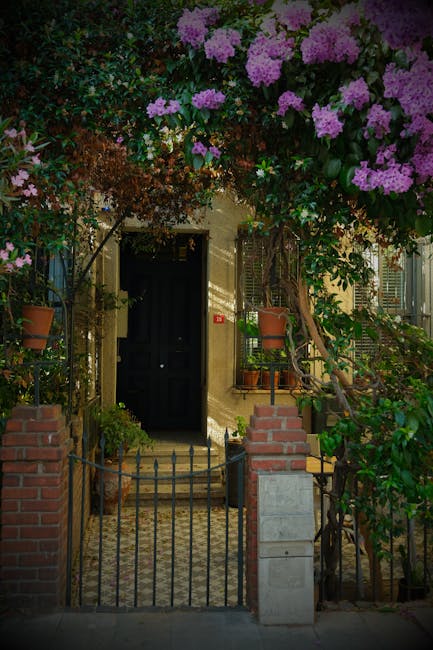
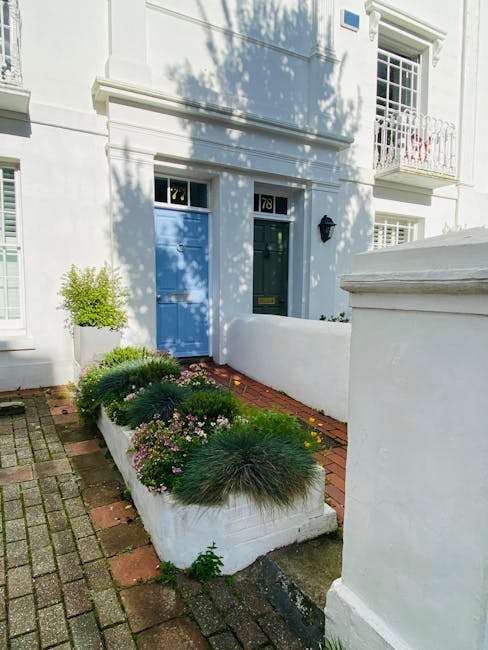
Imagine a typical Putney frontage: a small paved area, a narrow border, one overgrown shrub near the steps, and a path that feels tighter than it should. The space is not broken, exactly. It just looks half-finished and a bit weary.
A practical makeover in that setting might involve:
- removing the most congested planting
- redefining the edge of the border
- replacing patchy gravel with a cleaner surface finish
- adding evergreen structure near the entrance
- using a couple of reliable flowering perennials for seasonal lift
- improving the route from gate to door so it feels more open
The result is usually not dramatic in a theatrical sense. It is better than that. The frontage starts to feel composed. The house looks as if someone has paid attention. And because the planting and layout are simpler, upkeep becomes easier rather than harder.
That is often the best kind of makeover. You notice it every day, but it does not demand constant attention. The garden works in the background, which is exactly what a front garden should do.
If the project extends beyond the front boundary and into surrounding outdoor areas, services like patio installation or driveway improvements may also be relevant. Some properties benefit from treating the frontage as one connected arrival space rather than a set of separate bits.
Practical Checklist
Use this checklist before starting a front garden makeover.
- Have you identified the main purpose of the space?
- Is the entrance clear, safe, and easy to use?
- Do any plants need removing, dividing, or replacing?
- Is the drainage working properly, especially near paths or steps?
- Are the materials suited to the house style and the street?
- Have you chosen plants that suit shade, sun, and maintenance level?
- Is there enough room for growth without overcrowding?
- Will the design still look good in winter?
- Can you maintain the garden without awkward access problems?
- Do you need help with clearance, design, planting, or hard landscaping?
Quick reality check: if three or more of those answers are "not really," a proper makeover is probably overdue. That is not a criticism. It is just the garden telling the truth.
Conclusion
Wandsworth gardeners Putney High Street front garden makeovers are about more than improving appearances. Done well, they make a home easier to live with, nicer to approach, and simpler to maintain. They can solve everyday problems, sharpen the look of the property, and create a front entrance that feels welcoming rather than vaguely apologetic.
The smartest results usually come from a clear brief, realistic plant choices, and a design that respects both the house and the street. Keep it simple where possible. Invest where it matters. And choose a plan that still makes sense next winter, not just next week.
If you are ready to turn a tired frontage into something more practical and more attractive, the next step is straightforward: get the space assessed properly and compare a few options before any work begins.
Get a free quote today and see how much you can save.
Sometimes a front garden only needs a careful pair of hands and a sensible plan. Lovely, really.
Frequently Asked Questions
What is included in a front garden makeover?
It usually includes clearing overgrowth, improving borders, upgrading paths or edging, refreshing planting, and making the entrance look neat and purposeful. Some projects stay simple; others involve fuller landscaping work.
How long does a front garden makeover usually take?
That depends on the scale of the job. A tidy refresh may take a day or two, while a more involved redesign with hard landscaping and planting can take longer. Site conditions matter a lot.
Can a small Putney front garden still make a big impact?
Yes, absolutely. Small front gardens often benefit the most from good planning because every line, plant, and material choice is visible. A compact space can look elegant very quickly when the layout is clear.
What plants work well in a London front garden?
Reliable evergreen shrubs, hardy perennials, and seasonal bulbs often perform well, especially when combined with good soil preparation. The best choices depend on shade, aspect, and how much maintenance you want.
Is it better to choose low-maintenance planting?
For most front gardens, yes. Low-maintenance does not mean lifeless. It means choosing plants and materials that stay attractive without constant intervention, which is especially useful for busy households.
Do I need planning permission for front garden changes?
Many front garden improvements do not need planning permission, but that is not something to guess about. If you are changing access, drainage, boundaries, or working in a sensitive area, it is wise to check locally first.
How much should I expect to spend on a front garden makeover?
Costs vary widely depending on whether you are doing a light refresh, planting update, or full redesign. It is best to ask for a site-specific quote rather than rely on broad estimates. The size, access, and materials all affect price.
What is the difference between gardening and landscaping for front gardens?
Gardening usually focuses on planting, pruning, and maintenance. Landscaping is broader and may include paving, edging, construction, drainage, and layout changes. Many front garden projects use both.
How do I keep the front garden looking good after the makeover?
Regular pruning, weeding, watering during establishment, and seasonal tidy-ups are the basics. A maintenance schedule helps, especially in the first year after planting. Small, regular care beats big rescue jobs later.
Can a front garden makeover help with property value?
It can improve kerb appeal and make a property more attractive to buyers, which may help presentation. It is not a guaranteed value booster, but a tidy, well-designed frontage is generally a positive feature.
What if my front garden has poor drainage?
That should be addressed early, not left to chance. Better drainage may require changes to soil, levels, surfaces, or runoff management. A gardener or landscaper can usually spot the issue during the initial assessment.
Should I replace everything or keep some existing features?
Not always. If a path, hedge, or mature shrub still works well, keeping it can save money and preserve character. The best makeovers usually keep what is useful and only replace what is holding the space back.
How do I choose the right gardener for a front garden makeover in Putney?
Look for someone who asks practical questions about use, maintenance, access, and site conditions rather than jumping straight to a generic design. A good local gardener should be able to explain the options clearly and sensibly.